How to Hide Your IP Address and Protect Your Privacy in 2026
Why Your IP Address Remains a Primary Privacy Threat in 2026
As network tracking technologies evolve, your IP address continues to serve as the foundational anchor for digital identity correlation. In 2026, advertisers, data brokers, and threat actors no longer rely solely on basic geolocation; they combine your IP address with AI-driven behavioral fingerprinting, cross-device pairing, and TLS fingerprinting to build highly specific profiles of your online activities.
Hiding your IP address is no longer just about bypassing geo-restrictions—it is a critical defensive measure against targeted phishing, bandwidth throttling, localized price discrimination, and persistent corporate surveillance. Fortunately, modern privacy tools have advanced significantly, offering seamless and robust methods to obscure your virtual location without sacrificing connection speed.
4 Proven Methods to Conceal Your IP Address
1. Next-Generation Virtual Private Networks (VPNs)
Using a trustworthy VPN remains the most reliable, comprehensive strategy for obscuring your IP address across your entire device. High-end VPN providers in 2026 now incorporate post-quantum encryption algorithms alongside lightweight protocols like WireGuard and MASQUE, ensuring your traffic remains protected against both current and future decryption threats.
When selecting a VPN, ensure it enforces a strict, independently audited no-logs policy, operates entirely on RAM-only servers, and offers integrated multi-hop (double VPN) capabilities to route your traffic through two distinct encrypted nodes.
2. The Tor Network (Onion Routing)
For high-risk threat models and journalists requiring absolute anonymity, the Tor Network remains the gold standard. Tor routes your internet traffic through three randomly selected relay nodes, encrypting the data at each layer like an onion. The destination website only sees the IP address of the final exit node, making it virtually impossible to trace the connection back to your original IP.
Organizations like the Electronic Frontier Foundation (EFF) advocate for onion routing as a fundamental pillar of digital civil liberties, though users should note that Tor may introduce latency unsuitable for high-bandwidth activities like 4K streaming or real-time gaming.
3. Oblivious HTTP (OHTTP) and Dual-Hop Proxies
A major architectural shift in modern privacy is the adoption of Oblivious HTTP (OHTTP) and standardized multi-hop proxy systems like Apple's iCloud Private Relay. These systems separate the IP knowledge from the request content by using two distinct entities: an entry relay that knows your true IP but cannot read your traffic, and an exit relay that decrypts the request and assigns a generic IP without ever knowing who sent it.
4. Encrypted Proxies and Secure Browser Extensions
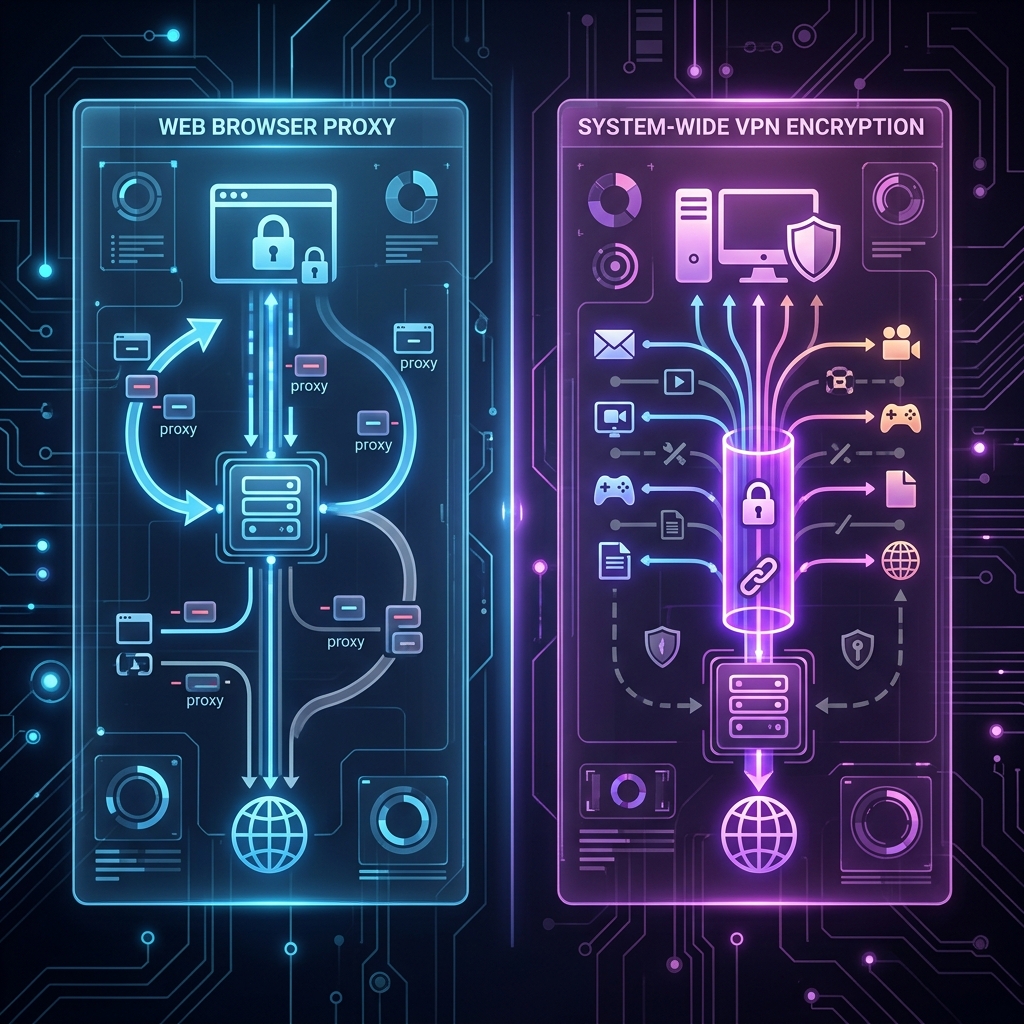
If you only need to hide your IP address within a specific browser session rather than system-wide, SOCKS5 proxies or encrypted browser proxies provide a lightweight alternative. While proxies do not encrypt all system traffic, they excel at routing specific applications through alternative IP addresses with minimal performance overhead.
Essential Steps to Prevent Unintentional IP Leaks
Simply enabling a privacy tool is not always enough. Advanced tracking scripts can exploit underlying protocol vulnerabilities to discover your true IP address. Take these steps to secure your configuration:
- Disable WebRTC in Browsers: WebRTC allows real-time audio and video communications but can leak your real local and public IP addresses even when connected to a VPN. Ensure WebRTC handling is set to disable or proxy-only in browser settings.
- Enforce DNS-over-HTTPS (DoH): Unencrypted DNS requests can expose your destination hosts to your Internet Service Provider (ISP). Pair your IP-masking tools with encrypted DNS providers recognized by security agencies like the Cybersecurity and Infrastructure Security Agency (CISA).
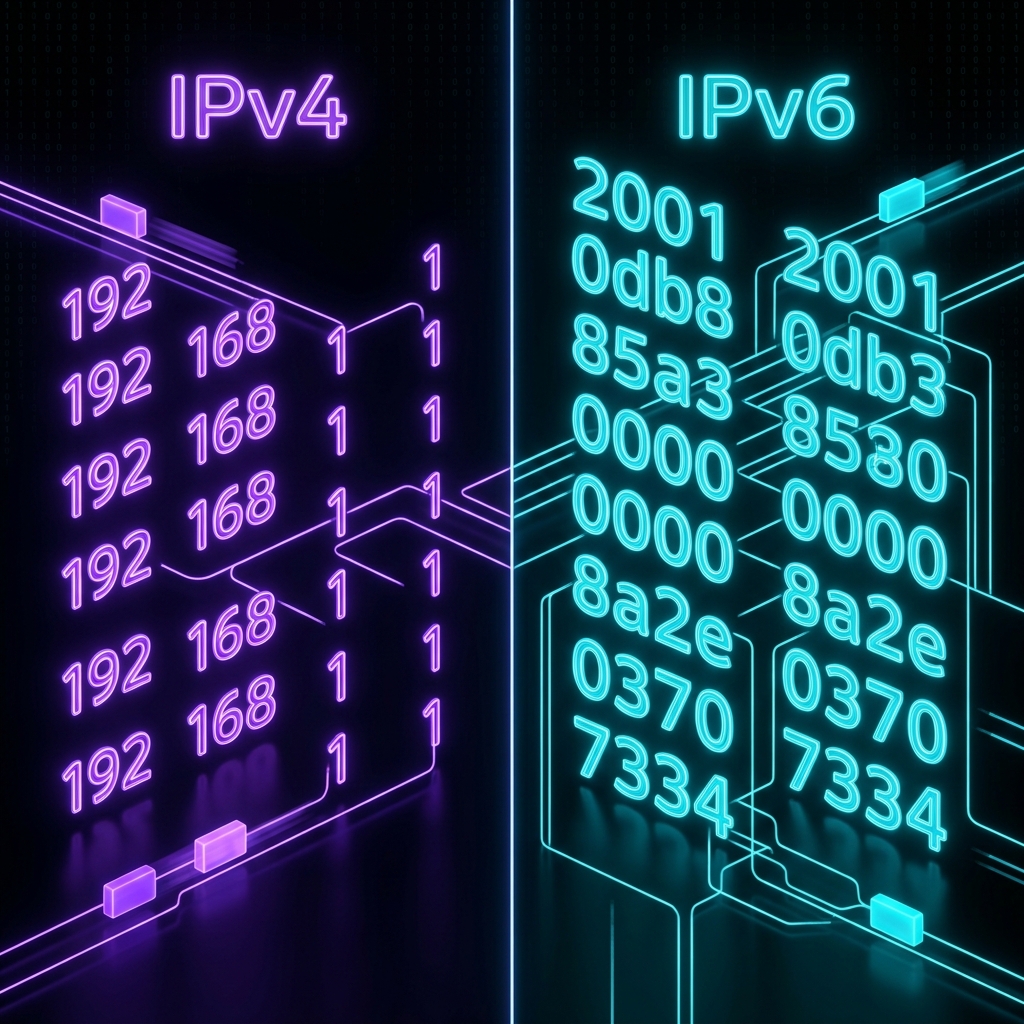
- Prevent IPv6 Leaks: Ensure your VPN or proxy natively routes or completely blocks IPv6 traffic to prevent your device from falling back to an unencrypted IPv6 address.
- Activate Network Kill Switches: Always enable your privacy tool's native Kill Switch, which instantly blocks internet access if the proxy or VPN connection drops unexpectedly.
Final Verdict: Building a Defense-in-Depth Strategy
Hiding your IP address is the cornerstone of personal cybersecurity in 2026. For daily browsing, a reputable RAM-only VPN combined with encrypted DNS offers the optimal balance of speed, convenience, and protection. For maximum operational security, integrating Tor or leveraging zero-trust proxy architectures ensures your identity remains shielded from sophisticated web trackers.
Related Articles









Marcus has 12+ years optimizing Anycast DNS routing, BGP peering, and solving complex ISP network errors. He specializes in deterministic command-line diagnostics.
View all guides by Marcus