How to Hide Your IP Address and Protect Your Privacy in 2026
 Written by Elena Rostova (Senior Cybersecurity Researcher)
•
Reviewed by Marcus Vance, CCNP
•
Updated October 2026
Why IP Privacy is Essential in 2026
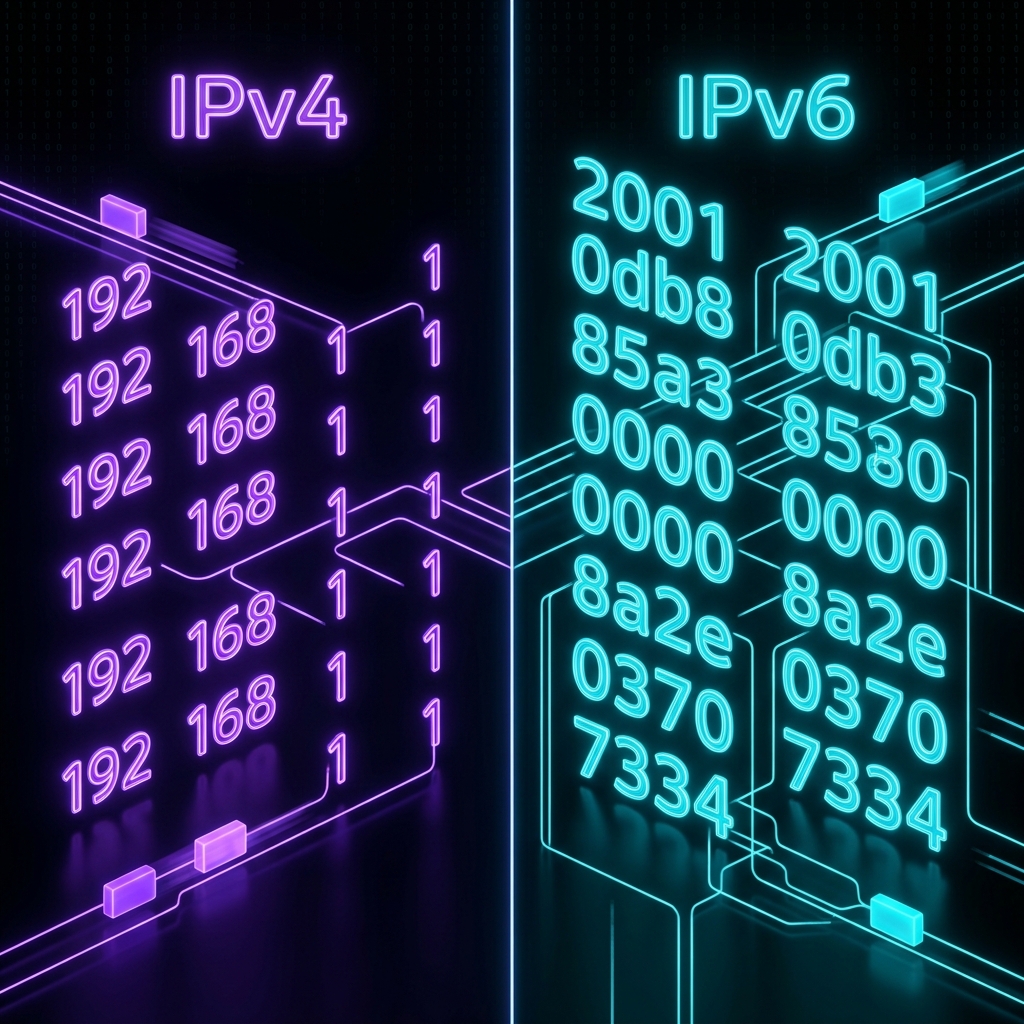
Your Internet Protocol (IP) address serves as your digital fingerprint on the web. It reveals your general physical location, ISP details, and serves as an anchor for data brokers, advertisers, and malicious actors building detailed behavioral profiles on you. In 2026, with the rise of autonomous AI profiling tools and widespread commercial data harvesting, proactive IP masking is no longer just for cybersecurity pros—it is a baseline necessity for digital hygiene.
While obscuring your IP address is a fundamental step, staying safe requires leveraging modern privacy standards and protocols. Digital rights organizations like the Electronic Frontier Foundation continuously emphasize that combining IP masking with strong browser hygiene is key to counteracting invasive tracking infrastructure.
Top Methods to Hide Your IP Address
1. Next-Generation Virtual Private Networks (VPNs)
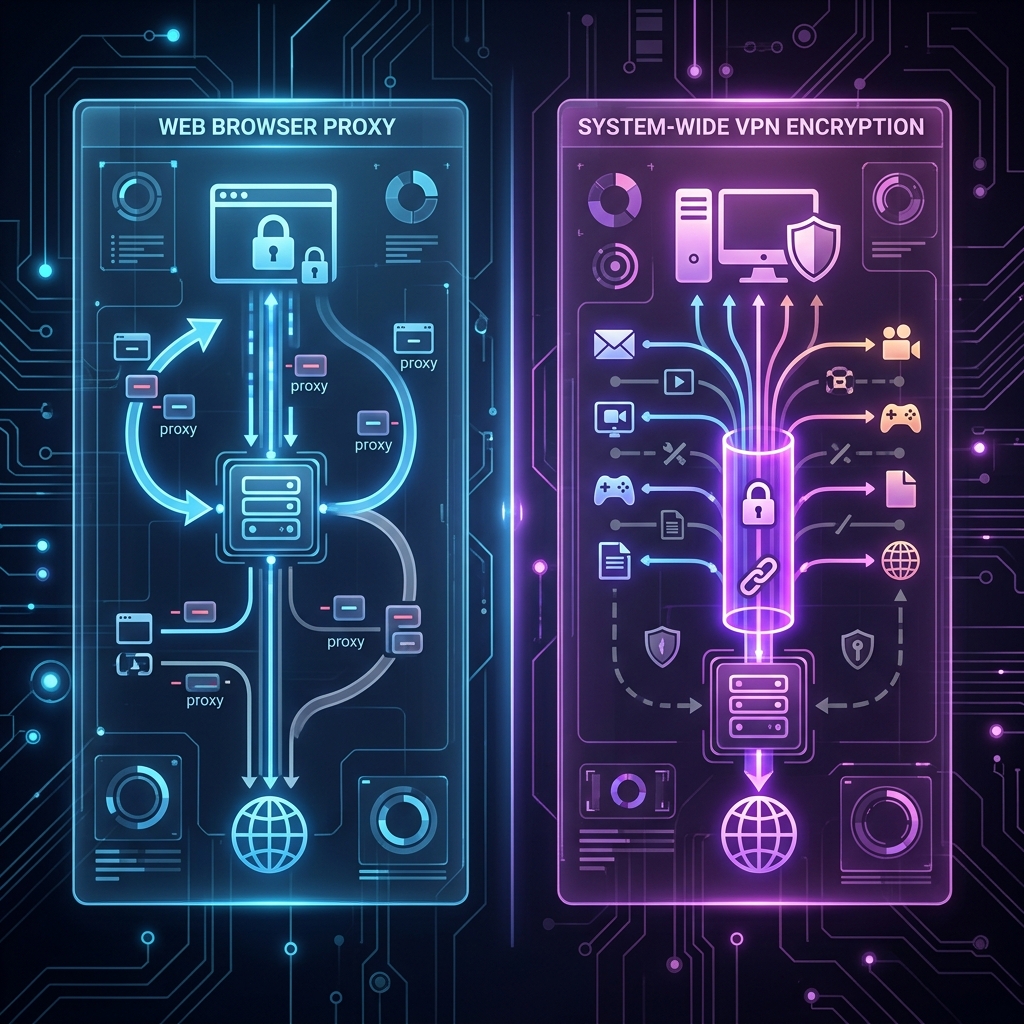
VPNs remain the gold standard for consumer IP protection. A modern VPN encrypts all traffic originating from your device and routes it through a secure server, masking your real IP with the server's IP address.
- Quantum-Resistant Protocols: Leading VPN providers in 2026 employ post-quantum cryptographic handshake algorithms to ensure captured traffic cannot be retroactively decrypted by future quantum computing systems.
- Strict No-Logs Audits: Always select a VPN provider that utilizes RAM-only servers (which wipe data upon reboot) and undergoes independent third-party audits.
- WireGuard and Lightweight Offshoots: Modern protocols deliver high-speed performance without compromising encryption depth, ensuring seamless streaming and low latency.
2. The Tor Network (Onion Routing)
The Onion Router (Tor) is a free, open-source network designed to enable anonymous communication. Tor bounces your internet traffic through three random relays (nodes) within the network, encrypting the data at each hop.
- Ultimate Anonymity: Neither the entry relay nor the exit relay knows both your real IP address and your destination website simultaneously.
- Best for Sensitive Tasks: While Tor offers superior anonymity compared to traditional VPNs, it can result in slower browsing speeds, making it ideal for investigative journalism, whistleblowing, or sensitive research rather than high-bandwidth tasks.
3. Encrypted Client Hello (ECH) and Oblivious HTTP (OHTTP) Proxies
In 2026, privacy protocols integrated directly into internet architecture have matured significantly. Standards backed by bodies like the Cybersecurity and Infrastructure Security Agency highlight the importance of securing metadata layers across all communication pipelines.
- Oblivious HTTP (OHTTP): Decouples the request headers from the request payload using an intermediary relay. This ensures that the destination service knows what data was requested, but not who requested it.
- Encrypted Client Hello (ECH): Hides the Server Name Indication (SNI) during the TLS handshake, stopping ISPs and network observers from seeing which domain you are visiting, even before your encrypted connection completes.
4. Privacy Proxies and Specialized Relays
For specific app-level protection, specialized proxies (such as SOCKS5 proxies or ecosystem-level solutions like Apple Private Relay) offer targeted IP masking. While SOCKS5 proxies do not inherently encrypt payload content like a VPN, they effectively substitute your IP for application-specific traffic like P2P clients or individual web browsers.
Beyond the IP: Guarding Against Modern Fingerprinting
Hiding your IP address is only half the battle. Modern tracking scripts use device fingerprinting—analyzing your screen resolution, installed fonts, canvas rendering, and browser hardware acceleration—to identify you regardless of your IP.
- Use Privacy-Centric Browsers: Browsers like Brave, LibreWolf, or Tor Browser randomize browser fingerprint signals to blend your hardware profile with thousands of identical users.
- Prevent DNS Leaks: Ensure your network setup enforces DNS-over-HTTPS (DoH) or DNS-over-TLS (DoT) to prevent your ISP from snooping on your domain requests outside your encrypted tunnel.
- Disable WebRTC: WebRTC leaks can expose your real local and public IP address even when using a VPN. Disable WebRTC in browser settings or use dedicated browser extensions to block requests.
Conclusion: Building a Layered Defense
No single tool guarantees 100% online anonymity. To achieve robust privacy in 2026, employ a defense-in-depth strategy: combine a trustworthy, audited VPN for daily browsing, leverage onion routing for sensitive activities, enforce encrypted DNS protocols, and use fingerprint-resistant browsers. By taking control of your IP address and metadata, you significantly reduce your vulnerability to modern digital surveillance.
Related Articles








Elena holds an M.S. in Information Security with 9+ years auditing VPN tunnels, WebRTC packet leaks, and defensive cyber architectures.
View all guides by Elena