How to Hide Your IP Address and Protect Your Privacy in 2026
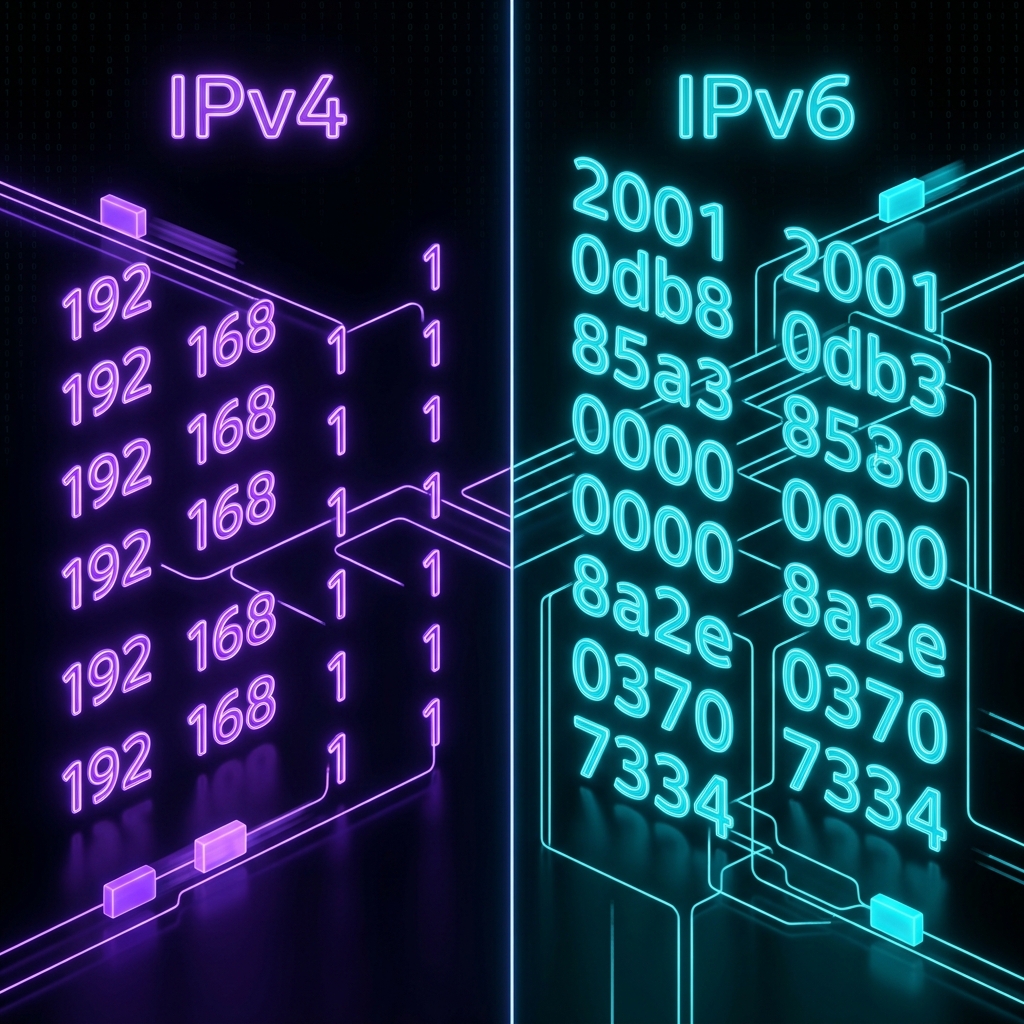
In 2026, the digital privacy landscape has shifted dramatically. With sophisticated AI-driven fingerprinting, pervasive ISP metadata retention, and cross-device tracking, your IP address remains the primary anchor tying your physical location to your online identity. Masking your Internet Protocol (IP) address is no longer just for cybersecurity specialists—it is an essential layer of basic digital hygiene.
Why Your IP Address Needs Protection in 2026
Your IP address acts as a digital return address for every network request you make. Left exposed, it allows network operators, advertising brokers, and cybercriminals to pinpoint your geolocation, profile your online habits, and execute targeted attacks. According to guidelines from the Cybersecurity and Infrastructure Security Agency (CISA), obscuring network identifiers is a fundamental control for mitigating external surveillance and unauthorized network profiling.
1. Deploy a Post-Quantum VPN
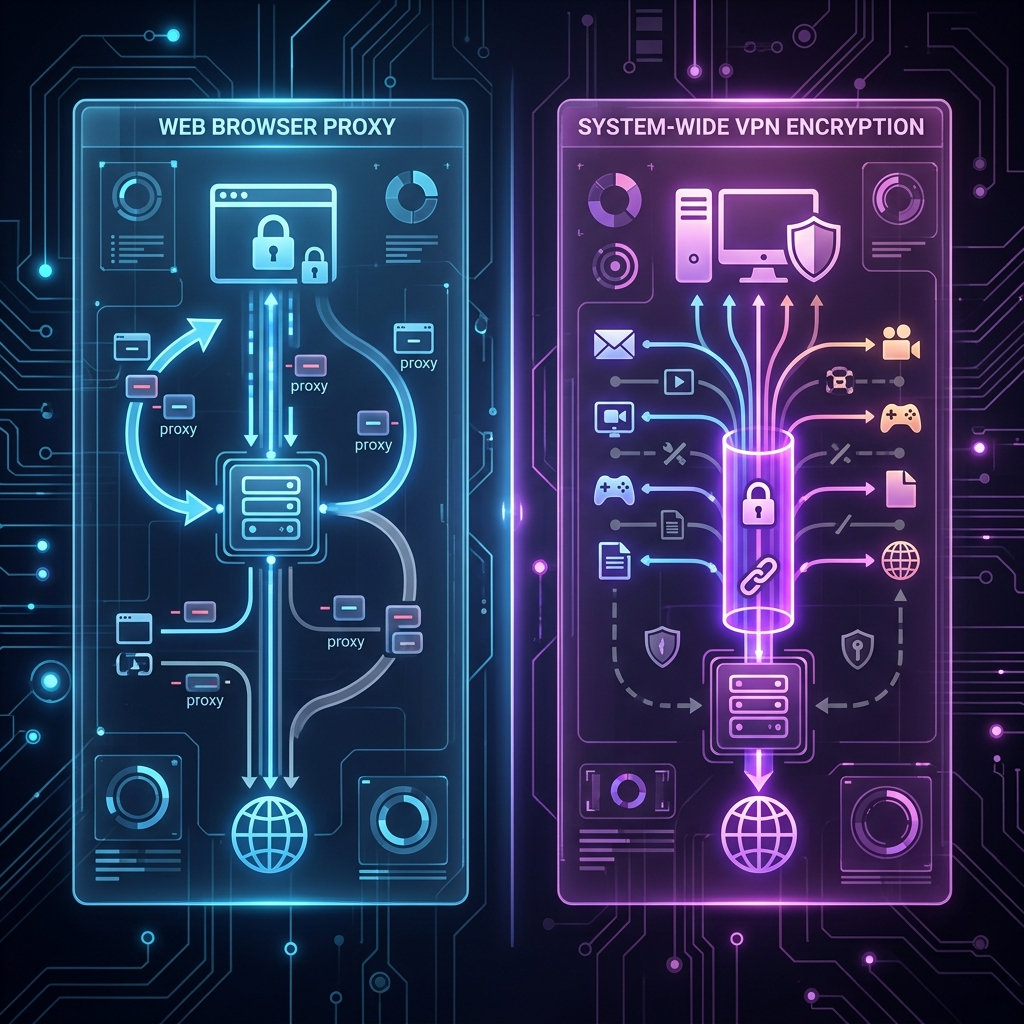
Virtual Private Networks (VPNs) remain the most effective single solution for masking your IP address system-wide. However, standard encryption algorithms from previous years are increasingly vulnerable to store-now-decrypt-later attacks.
- Post-Quantum Cryptography: Modern VPN services in 2026 implement post-quantum algorithms (such as NIST-standardized lattice-based cryptography) to ensure your encrypted tunnel cannot be retroactively decrypted.
- Next-Gen Protocols: Look for light, auditable protocols like WireGuard or modern variants designed for fast, seamless IP switching.
- Strict No-Logs Audits: Only trust providers that undergo regular, third-party audits confirming their infrastructure operates entirely on volatile RAM servers without disk logging.
2. Utilize Tor and Decentralized Networks (dVPNs)
For high-threat risk models or investigative work, multi-hop routing provides anonymization beyond standard VPNs. Advocacy groups like the Electronic Frontier Foundation (EFF) continually emphasize the role of onion routing in defending individual civil liberties against ubiquitous digital monitoring.
- The Tor Network: Routes your traffic through three encrypted nodes (entry, middle, and exit relays). The destination site only sees the IP address of the exit node, disconnecting your real IP from your browsing session.
- Decentralized VPNs (dVPNs): Utilize peer-to-peer architecture to route traffic through user-hosted nodes globally. This eliminates centralized corporate control points and single-point-of-failure server farms.
3. Leverage Cloud Privacy Relays and Proxies
For users seeking frictionless privacy built directly into operating systems, cloud relays offer a lightweight alternative:
- Apple Private Relay: Employs a dual-hop architecture for Safari users on iOS and macOS, ensuring neither Apple nor the network provider can see both who you are and where you are visiting.
- Encrypted SOCKS5 / HTTPS Proxies: Effective for routing specific application traffic (such as command-line utilities or isolated browsers) without altering your entire device's routing table.
4. Eliminate DNS and WebRTC Leaks
Even the best IP-masking tools fail if your software reveals your identity through background channels. To maintain complete privacy, address these critical leak vectors:
- Encrypted DNS (DoH / DoT): Enable DNS-over-HTTPS or DNS-over-TLS in your browser and network set-ups. This prevents your ISP from seeing domain lookups even when your IP payload is masked.
- Disable WebRTC: Web Real-Time Communication (WebRTC) can bypass VPN tunnels and leak real public and local IP addresses through browser requests. Disable WebRTC using browser flags or privacy extensions.
Summary Checklist for 2026
Achieving true online privacy requires a multi-layered defense. Use a audited post-quantum VPN or decentralized network for daily connectivity, enforce encrypted DNS queries, and systematically audit your web browser for WebRTC leaks to keep your IP address shielded from tracking.
Related Articles