How to Hide Your IP Address and Protect Your Privacy in 2026
Why IP Privacy Matters More Than Ever in 2026
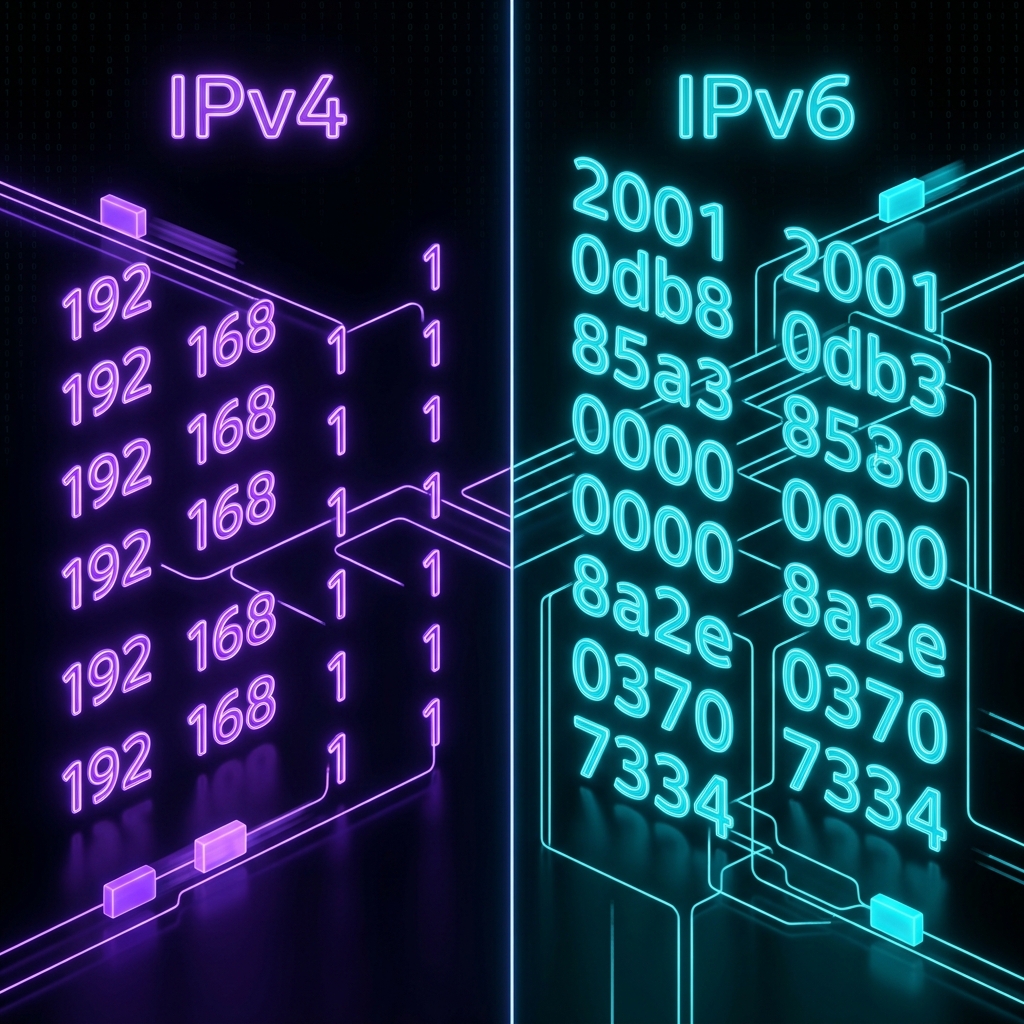
Your Internet Protocol (IP) address serves as your digital fingerprint on the web. It reveals your approximate physical location, ISP details, and browsing habits to network operators, advertisers, and malicious actors. As AI-driven tracking algorithms and automated reconnaissance tools become more sophisticated in 2026, hiding your IP address is no longer just a perk for privacy enthusiasts—it is an essential layer of personal cybersecurity.
Top Methods to Hide Your IP Address
1. Virtual Private Networks (VPNs) with Post-Quantum Encryption
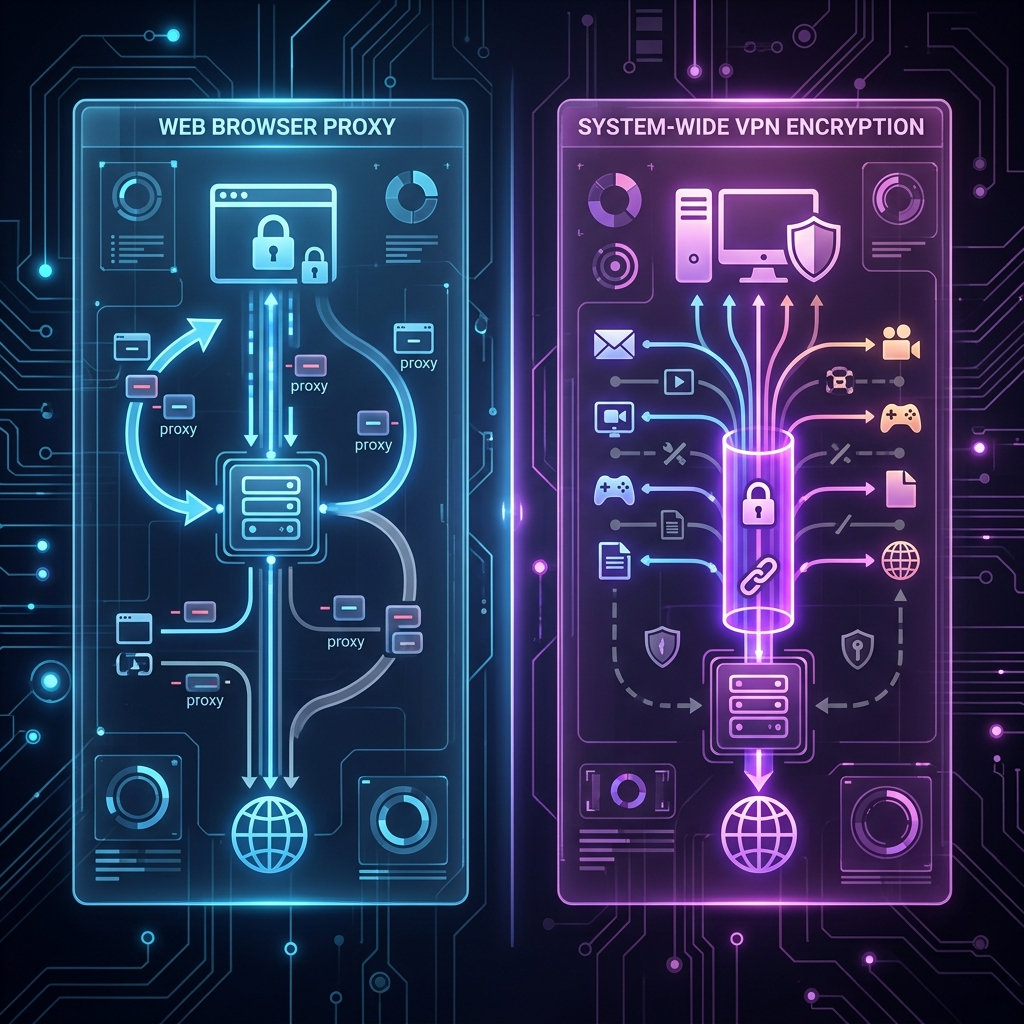
Using a reliable VPN remains the standard for consumer privacy. A VPN routes your traffic through an encrypted tunnel to a remote server, replacing your actual IP address with that of the server. In 2026, leading VPN providers have adopted post-quantum cryptography algorithms to protect against "harvest now, decrypt later" attacks. When selecting a VPN, ensure they enforce a strict, independently audited no-logs policy and utilize modern protocols like WireGuard or lightweight custom equivalents.
2. The Tor Network (The Onion Router)
For maximum anonymity, the Tor network routes your internet traffic through three random relay nodes across the globe. Each layer of encryption is stripped away like an onion, meaning no single node knows both the origin and the destination of the traffic. You can learn more about Tor's underlying security architecture from the Electronic Frontier Foundation. While Tor provides exceptional anonymity, it may result in lower browsing speeds compared to traditional VPNs.
3. Oblivious HTTP (OHTTP) and Privacy Proxies
Modern web standards now heavily integrate Oblivious HTTP (OHTTP) and dual-hop proxy mechanisms (such as Apple's Private Relay). These architectures separate the identity of the user from the destination address by using an intermediary relay, ensuring your ISP cannot build a unified profile of your online activities.
4. Decentralized Privacy Networks (DPNs)
DPNs leverage peer-to-peer architecture rather than centralized server farms. Users share excess bandwidth to act as nodes in a decentralized network, making it significantly harder for trackers to block or correlate server IP ranges.
Critical Steps to Prevent IP Leaks
Masking your IP address is only effective if your system doesn't leak data through secondary channels. Follow these best practices to ensure bulletproof protection:
- Disable WebRTC in Browsers: WebRTC can reveal your real local and public IP addresses even when connected to a VPN. Disable WebRTC in browser settings or use browser extensions designed to block it.
- Enable DNS Leak Protection: Ensure your DNS queries are routed through your privacy provider's encrypted DNS servers rather than your ISP. Consult guidelines from CISA on securing DNS traffic.
- Use a Network Kill Switch: Ensure your VPN or proxy client includes an automated kill switch that immediately halts internet traffic if the secure connection drops.
Conclusion
Protecting your online identity in 2026 requires a proactive, layered defense. By choosing trusted VPN providers, utilizing privacy-focused browsers, and actively mitigating DNS and WebRTC leaks, you can effectively obscure your IP address and maintain control over your digital footprint.
Related Articles