How to Hide Your IP Address and Protect Your Privacy in 2026
In 2026, your Internet Protocol (IP) address remains one of the primary digital identifiers used by Internet Service Providers (ISPs), advertisers, and threat actors to monitor your online footprint. As AI-driven surveillance and automated fingerprinting techniques become more sophisticated, hiding your IP address is no longer just for cybersecurity experts—it is a fundamental step in personal digital hygiene.
Why Your IP Address Matters More Than Ever
Your IP address acts as your digital return address. Every request your device sends across the web carries this numerical label, revealing your approximate geographical location, your ISP, and indirectly, your browsing habits. In modern digital ecosystems, data aggregators combine your IP history with device fingerprinting to build scarily accurate psychological and behavioral profiles.
Protecting this information prevents targeted tracking, stops bandwidth throttling by ISPs, protects you on untrusted public Wi-Fi networks, and helps bypass geo-restrictions or localized censorship.
The Top Methods to Hide Your IP Address in 2026
1. Next-Generation Virtual Private Networks (VPNs)
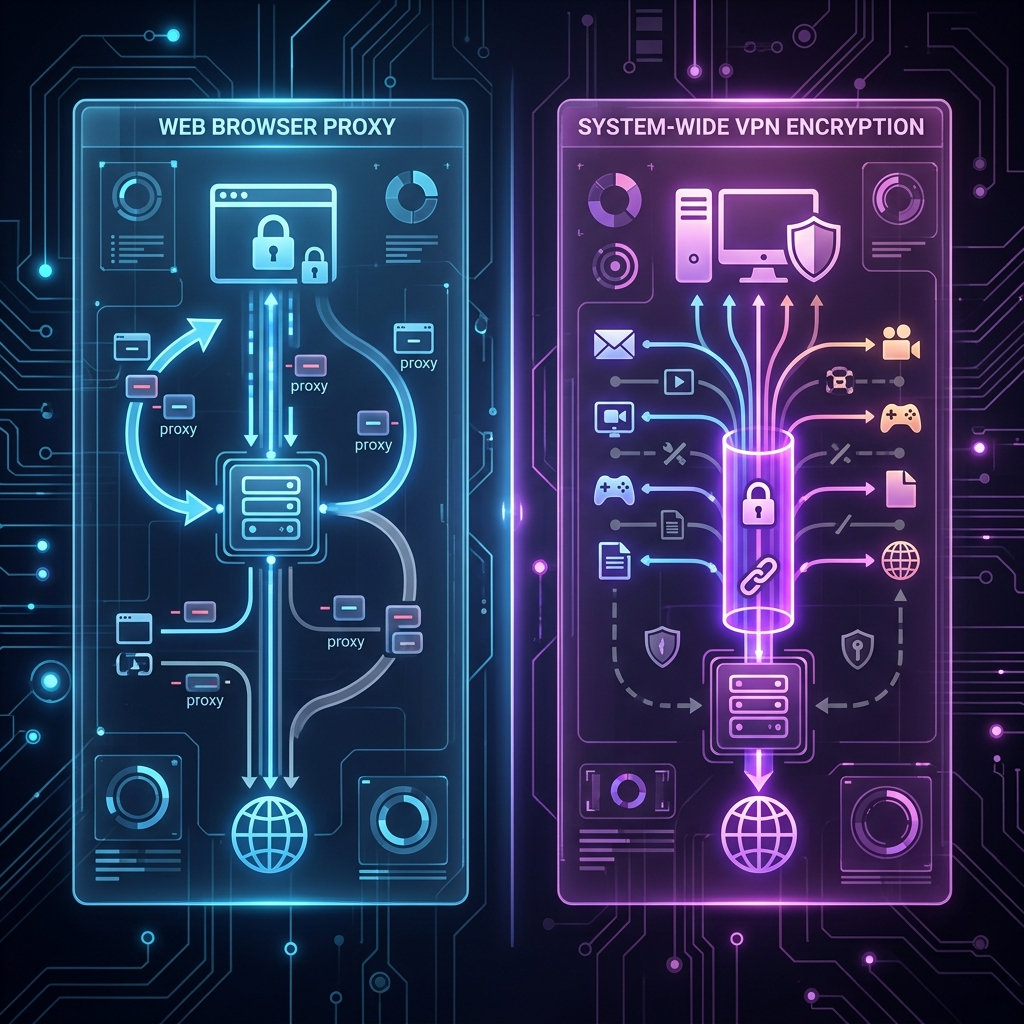
Using a reliable VPN remains the gold standard for mainstream IP obfuscation. A VPN routes your internet traffic through an encrypted tunnel to a remote server managed by the provider, replacing your real IP address with that server's IP.
When selecting a VPN in 2026, ensure it meets the following criteria:
- Post-Quantum Encryption: Protects your session traffic against "harvest now, decrypt later" attacks using modern post-quantum cryptography standards recognized by organizations like CISA.
- Audited No-Logs Policy: Proven track record of independently audited server infrastructures operating on RAM-only (diskless) hardware.
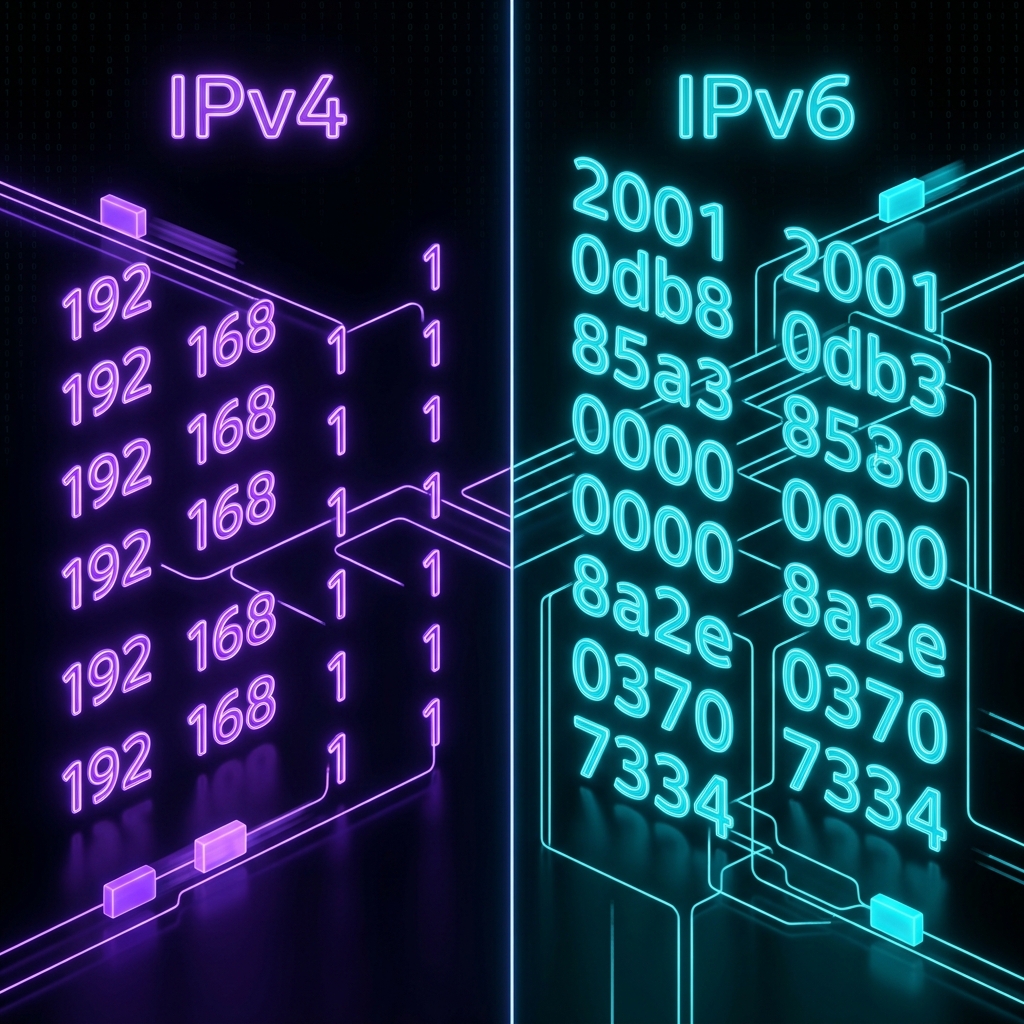
- Built-in Leak Protection: Native defenses against WebRTC, DNS, and IPv6 leaks.
2. The Tor Network (Onion Routing)
For high-risk threat models, journalists, or activists needing maximum anonymity, the Onion Router (Tor) network offers unparalleled protection. Tor routes your traffic through three randomized nodes (Entry, Middle, and Exit relays), encrypting the payload at each layer like an onion.
While Tor effectively hides your IP address from the destination server and shields your location from intermediate nodes, it does come with trade-offs in speed and latency compared to standard VPN connections.
3. Decentralized Privacy Networks (DPNs)
DPNs represent an evolution in peer-to-peer privacy architecture. Instead of relying on centralized data centers, DPNs operate on a distributed mesh network where users share unused bandwidth. Traffic is routed dynamically through peer nodes, making it nearly impossible for tracking algorithms to identify a single central service server.
4. Encrypted Proxies and Apple Private Relay
For lighter privacy requirements, proxies act as simple intermediaries for specific apps or web browsers:
- SOCKS5/HTTP Proxies: Mask your IP address for specific application traffic, though they often lack full end-to-end tunnel encryption unless paired with TLS.
- Apple iCloud Private Relay: Dual-hop architecture designed for Safari on Apple devices that hides both your IP address and DNS requests from Apple, your ISP, and destination websites.
Critical Steps to Prevent IP and Privacy Leaks
Simply turning on a VPN or proxy isn't always enough. Misconfigurations can silently expose your true identity. Take these extra steps to ensure complete isolation:
- Disable WebRTC in Browsers: Real-time communication protocols can query your local interfaces and expose your real public or private IP. Disable WebRTC via browser flags or privacy extensions recommended by the Electronic Frontier Foundation.
- Enable Encrypted DNS (DoH/DoT): Use DNS-over-HTTPS or DNS-over-TLS to prevent your ISP from snooping on the domain names you request, even if your IP payload is masked.
- Utilize a System-Wide Kill Switch: Ensure your privacy software automatically terminates all internet traffic if the encrypted tunnel drops unexpectedly.
Final Verdict
Hiding your IP address is your first line of defense against modern digital tracking. While standard VPNs remain the best choice for everyday performance and privacy, combining them with encrypted DNS protocols, leak protection, and privacy-conscious browsing habits will ensure your real identity stays completely off the radar in 2026.
Related Articles