What is a VPN? A Comprehensive Guide for Beginners
A few years ago, Virtual Private Networks (VPNs) were obscure tools used mostly by corporate employees to securely access company networks from home. Today, they are mainstream, widely-advertised tools used by over a billion people globally to protect their digital privacy, secure their data on public Wi-Fi, and bypass geographical content restrictions. But what exactly is a VPN, and how does it manage to accomplish all of this?
By The Numbers
- Over 31% of all internet users currently use a VPN.
- The top reason people use VPNs (51%) is to protect their privacy on public Wi-Fi networks.
- A premium VPN encrypts data using AES-256, the exact same encryption standard used by the U.S. government.
How Does a VPN Work? (The Tunnel Analogy)
To understand a VPN, imagine you are driving a car on a massive, open highway (the internet). As you drive, everyone else on the highway—including the highway patrol (your Internet Service Provider), billboards (advertisers), and malicious drivers (hackers)—can look at your car, see who is inside, read your license plate (your IP address), and see exactly where you are going.
A VPN builds a private, reinforced concrete tunnel right down the middle of the highway, specifically for your car.
- Encryption (The Concrete): Before your data even leaves your phone or computer, the VPN software scrambles it into unreadable gibberish. Even if someone intercepts the data, they cannot read it.
- The Remote Server (The Tunnel Exit): Your data travels securely through the tunnel directly to a VPN server located somewhere else in the world.
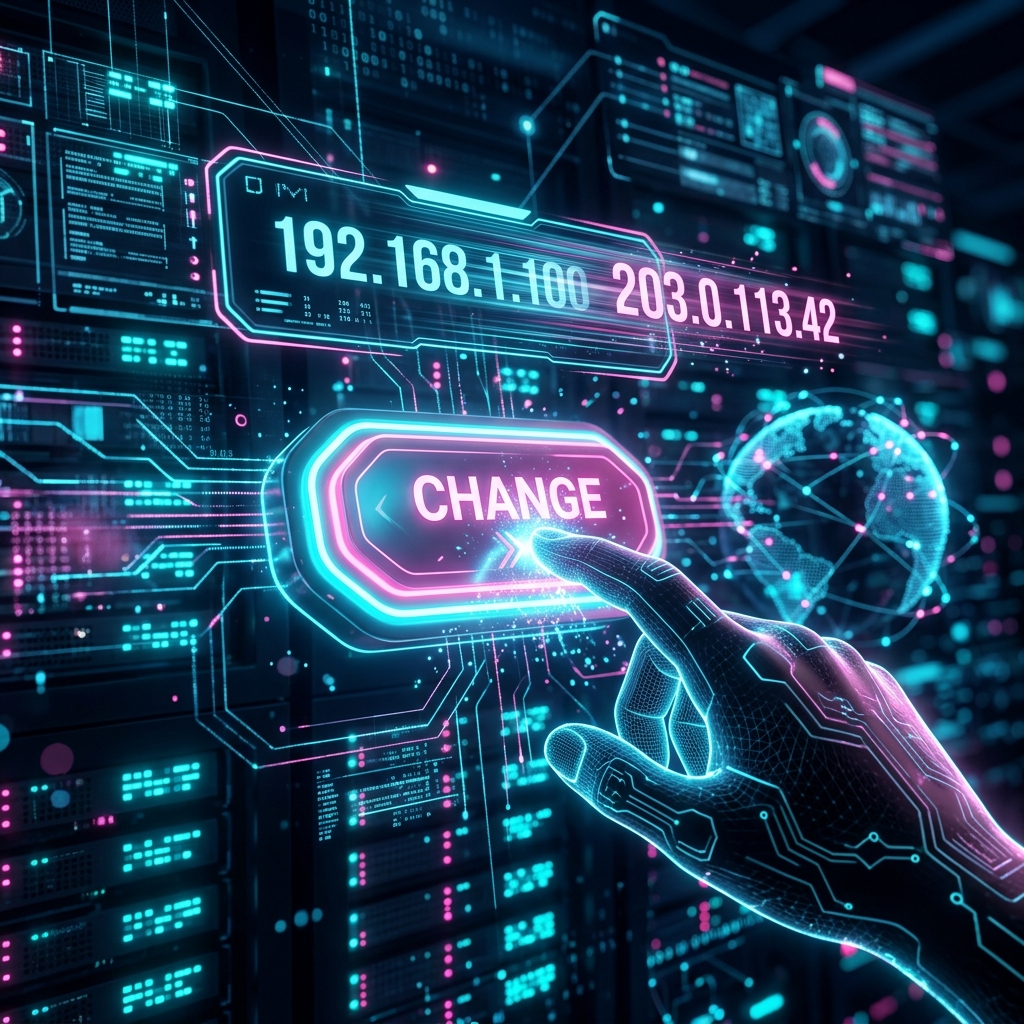
- IP Masking (Changing the License Plate): When your data exits the VPN server and finally requests the website you want, the website sees the IP address of the VPN server, not your real IP address. If you check What is my IP address VPN on a service like ours while connected, it will display the VPN provider's address and location instead of your home connection.
Without VPN vs With VPN
Without VPN
With VPN
Top 3 Reasons to Use a VPN Today
1. Total Security on Public Wi-Fi
Public Wi-Fi networks in airports, coffee shops, and hotels are notoriously insecure. It is terrifyingly easy for a hacker sitting in the same coffee shop to intercept unencrypted traffic on the network and steal your passwords or session cookies. A VPN encrypts your traffic before it even touches the Wi-Fi router, rendering your data completely useless to hackers.
2. Bypassing Geographical Restrictions
Streaming services like Netflix, Hulu, and BBC iPlayer restrict their content libraries based on your geographical location (determined by your IP address). By connecting to a VPN server located in the United Kingdom, for example, your traffic appears to originate from the UK. This tricks the service into unlocking the UK content library, no matter where you actually live.
3. Stopping ISP Tracking and Throttling
In many parts of the world, including the United States, your Internet Service Provider is legally allowed to monitor your browsing history and sell that data to third-party marketing companies. Furthermore, if your ISP detects that you are using a lot of bandwidth (like streaming 4K video or torrenting), they might intentionally slow down (throttle) your connection. A VPN blinds your ISP. They can see that you are connected to a VPN, but they cannot see what you are doing, where you are going, or what you are downloading.
Myth vs Fact
Which of the following statements about VPNs is actually a Myth?
What is a "No-Logs" Policy?
This is arguably the most important feature to look for when choosing a VPN provider. When you use a VPN, you are essentially taking the power away from your ISP (who could spy on you) and giving it to the VPN provider. The VPN provider theoretically has the ability to see everything you do.
A No-Logs Policy is a legal and technical commitment by the VPN company that they do not record, store, or share your browsing history, IP address, or bandwidth usage. If a government agency subpoenas a strict no-logs VPN for a user's data, the VPN simply has nothing to hand over. Always ensure your chosen VPN undergoes independent, third-party audits to verify their no-logs claims.
Frequently Asked Questions
Do free VPNs actually work?
If a product is free, you are the product. Maintaining a global network of encrypted servers is incredibly expensive. Most free VPNs pay for their servers by logging your browsing data and selling it to advertisers, or by injecting malicious ads into the websites you visit. It is highly recommended to use a paid, reputable VPN.
Will a VPN slow down my internet?
Slightly. Because your data has to be encrypted and routed through an extra server, there is a small drop in speed (usually 10-20%). However, premium VPNs use advanced protocols like WireGuard, making the speed drop barely noticeable during normal browsing and streaming.
What is the difference between a VPN and a Proxy?
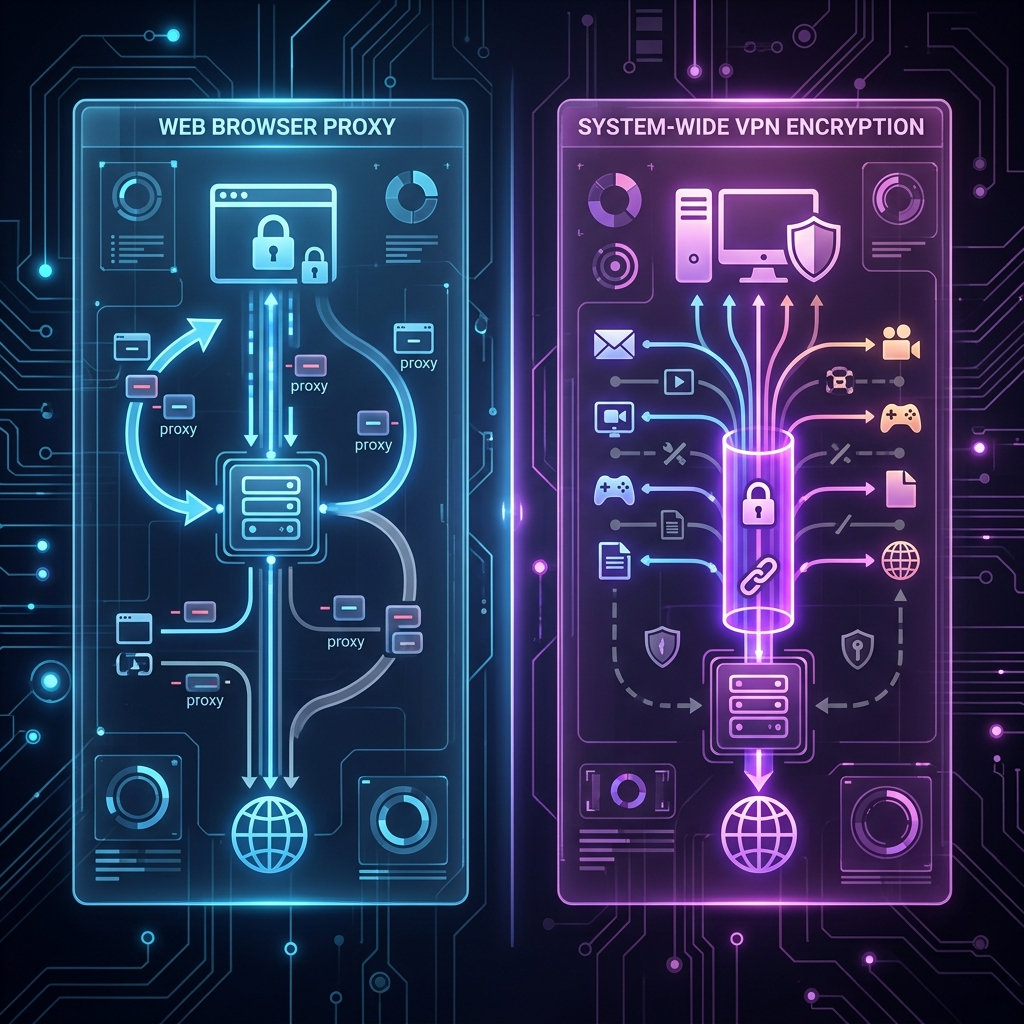
A proxy only hides your IP address for a specific application (like your web browser) and does not encrypt your data. A VPN encrypts all data leaving your entire device. Read our full Proxy vs VPN comparison for more details.
Related Articles